Chinese Herbs for Senior Dogs
A natural way to enhance vitality, manage chronic conditions.
Here’s how you can use three (3) common chinese herbs to improve your seniors overall physical and mental well-being.
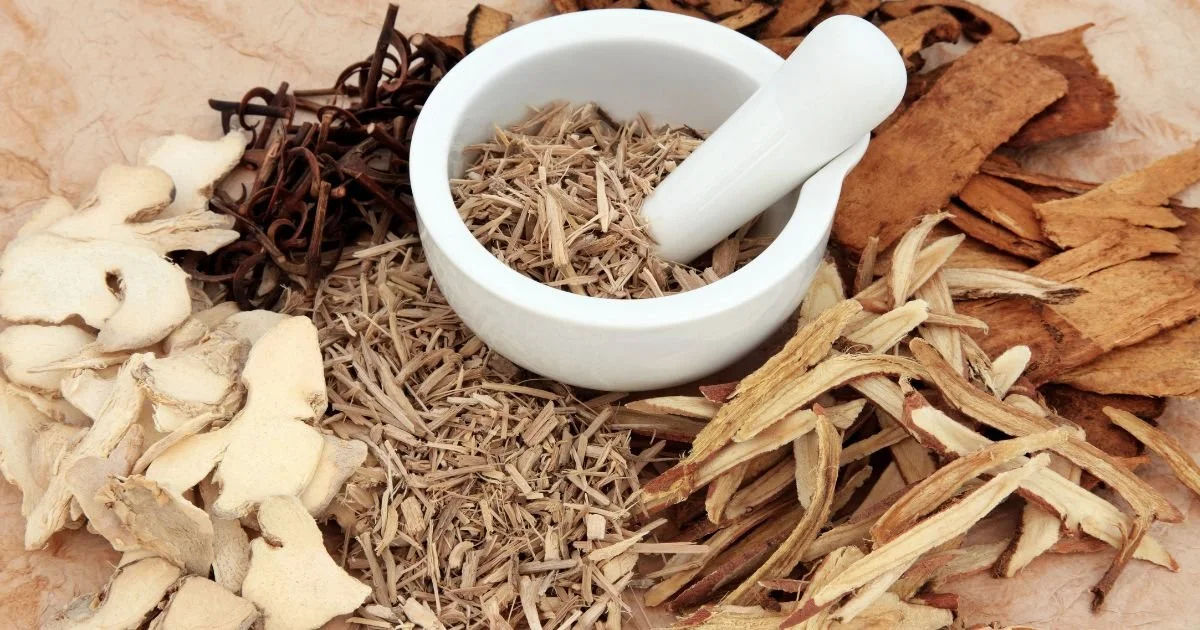
Chinese Herbs for Senior Dogs
1. Cordyceps (Cordyceps sinensis and militaris)
Cordyceps, a medicinal mushroom, is highly valued in TCM for its ability to support energy, improve lung function, and enhance immunity. Wild Cordyceps mushrooms (Cordyceps sinensis) are relatively rare to find and grow only in these limited regions. It mainly grows at high elevations in Tibet and the Chinese provinces of Sichuan, Yunnan, Qinghai, and Gansu. The majority of the supplements sold are extracts made from a different Cordyceps species, the Cordyceps militaris. Research has shown that Cordyceps militaris has similar health benefits to wild Cordyceps sinensis. In Traditional Chinese Medicine, Cordyceps militaris has traditionally been used as an alternative to Cordyceps sinensis.
A recent systematic review of 22 randomised clinical trials involving 1746 CKD (Chronic Kidney Disease) patients concluded that cordyceps was effective in decreasing serum creatinine and proteinuria and improving creatinine clearance (Zhang, HW et al. 2014). Clinical use of cordyceps in small animals is not found on PubMed (National Center for Biotechnology Information). However, based on the laboratory and human clinical studies, adjuvant cordyceps therapy may benefit patients with CKD, diabetes, cancer, age-related cognitive decline, and bronchitis, as well as those recovering from chronic illness.
For senior dogs, both types of cordyceps are especially beneficial for addressing respiratory issues, kidney problems, and age-related fatigue. Cordyceps is reported to be extremely safe in mice and humans. However, as a general rule, dogs on cordyceps should be monitored for possible side effects.
How to Prepare Cordyceps Tea and Decoction for Dogs
Cordyceps tea is a mild preparation that can be added to your dog’s food. To prepare Cordyceps tea:
Use 1-2 grams of dried cordyceps per cup (250 ml) of hot water.
Steep in the hot water for 10-15 minutes.
Allow the tea to cool to room temperature before serving.
Amount to feed Small dogs (under 20 lbs):
1-2 tablespoons of tea per day.
Medium dogs (20-50 lbs): 2-4 tablespoons per day.
Large dogs (50+ lbs): 4-6 tablespoons per day.
A decoction involves simmering the herb to extract its active compounds. It is stronger than tea and suitable for therapeutic use. Here’s how to prepare a decoction:
Simmer 1-3 grams of dried cordyceps in 2 cups (500 ml) of water for 20-30 minutes.
Strain and cool before use.
Amount to feed
Small dogs: 1-2 teaspoons per day.
Medium dogs: 1-2 tablespoons per day.
Large dogs: 2-4 tablespoons per day.
Precautions
Ensure you source high-quality cordyceps, preferably organic and free of contaminants. Avoid giving cordyceps to dogs with fever or acute infections (exterior conditions in TCM) unless directed by a veterinarian or TCM practitioner. Monitor for side effects such as digestive upset or allergic reactions.
2. Ginger (Zingiber officinale)
Ginger is renowned for its warming properties, making it an excellent choice for senior dogs with poor circulation or joint stiffness. It is also a powerful digestive aid, helping to alleviate nausea, bloating, and upset stomachs. For older dogs, ginger can help with appetite stimulation and reducing inflammation.
In a veterinary setting, ginger has been used for
Motion sickness and post-chemotherapy. Ginger tea or extract can be mixed with honey and administered prophylactically before the anticipated event and also to relieve nausea.
Adjunct arthritis management. Ginger may help alleviate chronic pain and clear pro-inflammatory mediators by stimulating blood circulation.
Stomachic and carminative. Ginger improves digestion and appetite and alleviates gastrointestinal discomfort by aiding gastric acid secretion, gastrointestinal motility, and bile acid secretion.
Anti-ageing. Ginger helps digestion and warms up the ageing body.
How to Prepare Ginger for Dogs
Fresh ginger can be grated and added to your dog’s food in small amounts (around ¼ teaspoon for small dogs and up to ½ teaspoon for larger dogs). Always monitor for any signs of sensitivity.
Precautions
Very safe with no known side effects, although excessive intake may cause gastrointestinal upsets.
Potential interactions with tacrolimus, nifedipine and crizotinib have been reported.
3. Rehmannia (Rehmannia glutinosa)
Rehmannia is known for its cooling properties and is often used in TCM to nourish the blood and yin. It is beneficial for senior dogs experiencing heat-related imbalances, such as dry skin, inflammation, or excessive thirst. While direct clinical studies on rehmannia’s effects in senior dogs are limited, its applications are supported by traditional use and anecdotal evidence. Rehmannia is also commonly included in supplements for dogs with kidney or joint issues, which are prevalent in older pets. Rehmannia 8, also known as Rehmannia Eight Formula or Ba Wei Di Huang Wan (八味地黄丸) in Traditional Chinese Medicine (TCM), is a classic herbal formulation designed to support kidney and overall vitality. It has been widely used for both humans and animals, including senior dogs, to address symptoms associated with kidney deficiency. Rehmannia 8 is also commonly recommended for senior dogs with hind limb weakness.
How to Prepare Rehmannia for Dogs
Rehmannia is usually provided as part of a herbal blend, like in the case of Rehmannia 8. Rehmannia 8 is available in pill, powder, or tincture forms. Always consult a holistic veterinarian for a specific dosage and to ensure suitability for your dog’s condition.
Precautions
While rehmannia is generally considered safe for canine use, it’s essential to consult with a veterinarian experienced in herbal medicine before introducing it to your dog’s regimen. Proper dosing and monitoring are crucial to ensuring safety and efficacy. When using a herbal blend like Rehmannia 8, follow the recommended doses based on your dog’s weight and health condition.