Pancreatitis in Dogs and Cats: Two Conditions, Two Very Different Diets
Pancreatitis is inflammation of the pancreas, the organ responsible for producing digestive enzymes and regulating blood sugar via insulin. When the pancreas becomes inflamed, digestive enzymes can become prematurely activated within the organ itself rather than in the intestine where they’re meant to act. This effectively causes the pancreas to begin digesting its own tissue. This is what makes pancreatitis painful and, in severe cases, dangerous.
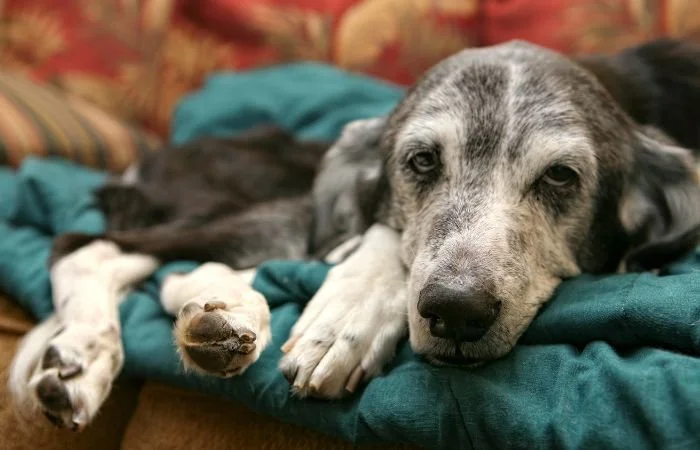
Pancreatitis in Dogs: Fat Content, Food Labels, and What “Low Fat” Actually Means
Acute vs chronic pancreatitis — what’s the difference?
Acute pancreatitis is a sudden-onset episode, often triggered by a high-fat meal, dietary indiscretion (getting into the bin, a fatty scrap, a rich holiday meal), obesity, or certain medications. Signs typically include vomiting, abdominal pain (a hunched posture, reluctance to be touched around the abdomen), reduced appetite, and lethargy. Severity ranges from mild and self-limiting to severe and life-threatening.
Chronic pancreatitis involves ongoing, lower-grade inflammation, sometimes with repeated mild flares, and can progress to permanent damage of the pancreatic tissue over time. This can eventually affect the pancreas’s ability to produce digestive enzymes (leading to exocrine pancreatic insufficiency) or insulin (leading to diabetes), depending on which tissue is most affected.
Common veterinary treatment
Treatment approaches depend on severity but commonly include:
Fluid therapy to manage hydration and support organ perfusion, particularly in acute cases
Anti-nausea and pain management medication
Early, cautious reintroduction of a low-fat, easily digestible diet. The old approach of withholding food entirely for extended periods has largely been replaced with getting appropriate nutrition back on board sooner, under close monitoring
Long-term dietary fat restriction for dogs with a history of pancreatitis, to reduce recurrence risk
Monitoring for downstream complications (diabetes, exocrine pancreatic insufficiency) in chronic or recurrent cases
Recommended fat content for dogs with pancreatitis
General fat targets commonly used as a starting point (always confirmed against your own dog’s individual case with your vet):
During acute recovery: often under 10% fat on a dry matter (DM) basis
Long-term maintenance after a pancreatitis history: commonly kept under 15% fat DM, though the exact figure is individualised based on how the dog has tolerated food reintroduction and any ongoing risk factors (obesity, concurrent endocrine disease)
These figures are general guidance, not a substitute for your vet’s specific recommendation for your dog’s case and severity history.
Where to find fat content on a dog food label and why “as fed” isn’t the number you want
This is the step that trips up almost every owner I work with on this. Some pet food labels, especially fresh (gently cooked or raw) or canned food, display fat (and other nutrients) in the guaranteed analysis as a percentage “as fed” - moisture included.
The problem: moisture content varies enormously between food types. Dry kibble typically sits around 10% moisture; wet or canned food can be 70–80% moisture. That means an “as fed” fat percentage looks artificially low compared to a dry food.
To compare fairly, you need the dry matter (DM) basis - the fat percentage once moisture is mathematically removed.
The formula:
DM fat % = (as-fed fat % ÷ (100 − moisture %)) × 100
For example, a wet food listing 4% fat “as fed” with 78% moisture actually works out to roughly 18% fat on a dry matter basis, well above what’s appropriate for a dog managing pancreatitis.
Always check fat content on a dry matter (DM) basis, not "as fed." High-moisture foods like fresh gently cooked food or canned food, make the "as fed" number look deceptively low.
If you’re unable to find the dry matter (DM) fat percentage, apply the DM conversion formula above. Once you have the DM fat percentage, compare the result against your vet or nutritionist’s recommended target for your dog. As mentioned earlier, the typical recommendation during acute recovery is often under 10% fat on a dry matter (DM) basis, while maintenance is commonly kept under 15% fat on dry matter (DM).
How pancreatitis differs between cats and dogs
This is the part most owners haven’t heard, and it changes how the condition should be approached in each species:
Presentation: Dogs with pancreatitis typically show the “classic” picture - vomiting, abdominal pain, a hunched stance. Cats present far more vaguely - reduced appetite and lethargy are often the only signs, without the dramatic vomiting or obvious pain response dogs show. This is a major reason feline pancreatitis may be under-diagnosed.
Trigger pattern: In dogs, a single high-fat dietary trigger (a fatty meal, a scrap, a bin raid) is a well-recognised and common cause of an acute episode. In cats, pancreatitis is more frequently linked with concurrent disease like inflammatory bowel disease and cholangitis (inflammation of the bile ducts) are commonly found alongside feline pancreatitis, sometimes described together as “triaditis”, rather than a single identifiable dietary fat trigger.
To address the differences between dogs and cats in the nutritional management of pancreatitis, we analyzed the detailed recommendations and supporting evidence from the Nutritional management of pancreatitis and concurrent disease in dogs and cats, JAVMA.
Here is a structured comparison, highlighting the key distinctions and the rationale behind them:
1. Dietary Focus: Fat vs. Protein
Dogs:
Low-fat diets are frequently recommended in the initial management of pancreatitis. This is because high-fat diets have been shown to induce or worsen pancreatitis in dogs, and reducing dietary fat may help decrease delayed gastric emptying and reduce pancreatic stimulation.
Cats:
Hydrolyzed protein diets are often considered first-line in cats with pancreatitis. In cats, the particle size of protein may be more significant than dietary fat, as intact proteins are a stronger stimulus for pancreatic secretion than free amino acids. True hydrolyzed protein diets are generally not available over-the-counter (OTC) or over-the-shelf. They almost always require a veterinary prescription.
The role of dietary fat is less clear in cats, and fat restriction is considered on a case-by-case basis.
Example:
A dog with pancreatitis would typically be started on a commercial low-fat gastrointestinal diet.
A cat with pancreatitis would be started on a hydrolyzed protein diet, prioritizing digestibility and reduced antigenicity.
2. Energy Requirements and Risks
Dogs:
Meeting daily energy requirements is important, but negative energy balance is less likely to cause secondary complications compared to cats.
Cats:
It is critical to avoid negative energy balance due to the risk of hepatic lipidosis, which can worsen prognosis. If a cat does not accept the recommended diet, any nutrition is prioritized over strict adherence to a hydrolyzed diet.
3. Protein Management
Dogs:
Excess dietary protein should be avoided, but sufficient protein is needed for tissue repair. Protein is less of a direct pancreatic stimulant compared to cats.
Cats:
Intact protein is a strong pancreatic stimulant. Hydrolyzed protein diets are preferred to minimize pancreatic stimulation and are also beneficial if chronic enteropathy is present.
4. Carbohydrates and Fiber
Both species:
Carbohydrates are less of a pancreatic stimulant than fat or protein. Reduction may be necessary if diabetes is present.
High-fiber diets should be avoided in vomiting or regurgitating animals.
Prebiotic fibers may help restore intestinal health.
5. Concurrent Diseases
Dogs:
Hypertriglyceridemia is a common comorbidity and is an indication for further fat restriction.
Obesity is a known risk factor for pancreatitis in dogs.
Cats:
Feline triaditis (concurrent pancreatitis, cholangitis, and chronic enteropathy) is a unique consideration. Hydrolyzed protein diets are used to address chronic enteropathy, but nutritional intake is prioritized if the cat is anorexic.
Cats are more prone to exocrine pancreatic insufficiency (EPI) secondary to chronic pancreatitis, requiring highly digestible diets and cobalamin (Vitamin B12) supplementation.
6. Long-term Management
Dogs:
Long-term low-fat diets may be needed for dogs with recurrent or chronic pancreatitis.
Cats
Long-term hydrolyzed protein diets may be used if chronic enteropathy is present, but flexibility is needed based on acceptance and comorbidities.
Summary Table
| Aspects | Dog Pancreatitis | Cat Pancreatitis |
|---|---|---|
| Initial Diet | Low fat | Hydrolyzed protein |
| Fat restriction | Strongly emphasized | Case-by-case |
| Protein Management | Moderate, avoid excess | Hydrolyzed, avoid intact |
| Energy needs | Important | Critical, avoid lipidosis |
| Fibre | Avoid high in vomiting | Avoid high in vomiting |
| Comorbidities | Hypertriglyceridemia, obesity | Triaditis, EPI, hepatic lipidosis |
| Long Term Diet | Low fat if recurrent | Hydrolyzed protein if chronic enteropathy |
In summary:
Dogs with pancreatitis are managed primarily with low-fat diets, while cats are managed with hydrolyzed protein diets, with less emphasis on fat restriction. The risk of hepatic lipidosis in cats makes maintaining energy intake especially critical. Protein particle size and digestibility are more important in cats, while fat content is the main concern in dogs. Management must be individualized, especially when concurrent diseases are present.
What is hydrolyzed protein
Hydrolyzed protein is protein that has been chemically broken down into tiny fragments like peptides and amino acids. Hydrolyzed protein diets are often used for cats with pancreatitis because they are exceptionally easy to digest and reduce stress on the gastrointestinal tract. Even though the structure is altered, the “protein” still contains all the essential amino acids necessary for lean muscle mass and overall health.
Why use hydrolyzed protein for cat pancreatitis
High Digestibility: The protein is broken down into tiny pieces, allowing a sick or inflamed gut to absorb nutrients with minimal effort.
Concurrent Conditions: Cats with pancreatitis frequently suffer from concurrent inflammatory bowel disease (IBD) or triaditis, where hydrolyzed or novel proteins help calm the immune response and food sensitivities.
Fat Tolerance: Unlike dogs, cats do not strictly require severe fat restriction for pancreatitis, but highly digestible formulas remain the cornerstone of recovery. According to the American Veterinary Medical Association, hydrolyzed diets are standard initial recommendations in feline cases.
Common feeding mistakes with cats
Treating cats as small dogs when it comes to fat restriction. Applying a dog’s “low fat” threshold to a cat’s diet unnecessarily, which can leave a cat under-fuelled or nutritionally imbalanced without actual benefit.
Underestimating protein needs. Cats need considerably more dietary protein than dogs on a body-weight basis, and diets formulated primarily with canine needs in mind commonly fall short for cats.
Inconsistent feeding or prolonged fasting. Because of how tightly feline fat metabolism is tied to regular intake, even a short period of reduced eating (illness, stress, a diet change gone wrong) carries real risk of hepatic lipidosis in cats, a risk that doesn’t apply the same way in dogs.
Free-feeding dry food without monitoring intake, which can obscure early appetite changes that would otherwise be an early warning sign of illness, including pancreatitis.
Frequently Asked Questions
Q: Can a dog fully recover from acute pancreatitis?
A: Many dogs recover well from a single, appropriately managed acute episode, though the pancreas can be left more vulnerable to future flares, which is why long-term dietary management matters even after full clinical recovery.
Q: Is a grain-free diet better for a dog with pancreatitis?
A: No, grain content isn’t the relevant factor in pancreatitis management. Fat content is. Some grain-free diets are actually higher in fat, so grain-free status alone tells you nothing useful here.
Q: How quickly after an acute episode can normal fat levels resume?
A: This should be guided by your vet based on your dog’s recovery and any recurrence risk factors. There’s no fixed universal timeline, and many dogs with a significant pancreatitis history stay on a lower-fat diet indefinitely.
Q: Does this mean fat content doesn’t matter for cats with pancreatitis?
A: The role of dietary fat is less clear in cats. Fat restriction is considered on a case-by-case basis. Hydrolyzed protein diets are often used for cats with pancreatitis. Strict fat restriction is not universally emphasized for cats as it is for dogs.
Q: Can a cat get pancreatitis from a fatty treat the way a dog can?
A: It’s possible, but in cats it’s less commonly the single clear trigger it often is in dogs. Concurrent illness is frequently part of the picture for cats.
Q: What is the recommended fat percentage for dogs recovering from pancreatitis?
A: After recovery, many dogs can be transitioned back to their pre-diagnosis diet. However, for dogs with recurrent or chronic pancreatitis, long term use of a low fat diet is recommended. Low fat maintenance diets for dogs are generally kept below 15% fat on dry matter (DM) basis.
Q: What is the recommended fat percentage for cats recovering from pancreatitis?
A: After recovery, most cats can transition back to their pre-diagnosis diet unless there is a comorbid condition requiring dietary restrictions. For cats, fat restriction is less emphasized for pancreatitis. Hydrolyzed protein diets are preferred.
Q: Where can I find hydrolyzed protein cat food?
A: True hydrolyzed protein diets are generally not available over-the-counter (OTC) or over-the-shelf. They almost always require a veterinary prescription. Please discuss with your veterinarian on your cat’s diet requirement for pancreatitis management.
Written by Katherine Khoo, certified pet nutritionist (Small Animal Natural Nutrition, CIVT Australia) and founder of Wisetroop, with 12+ years of nutrition experience across both human and animal health. This article is for educational purposes and does not constitute veterinary medical advice. Always consult your veterinarian before making significant changes to your pet's diet or supplementation.