The Gut-Brain Axis in Dogs: How Gut Health Shapes Behaviour
For years, digestive issues and behavioural problems have been treated as separate conversations in veterinary care. One for the internist, one for the behaviourist. A growing body of research is making the case that, for a meaningful subset of dogs, they're not separate at all. The microbiota-gut-brain axis (MGBA) describes a genuine, bidirectional communication system between the gut and the brain, and understanding it is starting to change how veterinarians approach chronic behavioural and gastrointestinal problems that don't resolve with treatment aimed at just one system.
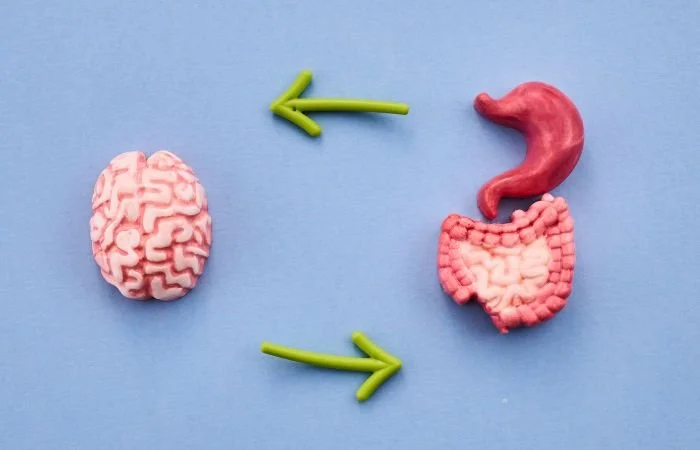
Gut-brain axis
What is the microbiota-gut-brain axis?
The MGBA refers to the network connecting gut microbiota, the gastrointestinal tract, and the brain, and critically, this communication runs in both directions. Gut microbes influence neurologic function, cognition, and behaviour; the brain and nervous system, in turn, modulate gut physiology and the composition of the microbiota itself.
This isn't a metaphor. It happens through several concrete biological pathways: gut hormone signaling, direct communication via the vagus nerve, immune system activity, and microbial metabolites including short-chain fatty acids and neurotransmitter precursors.
Much of the strongest evidence for this axis comes from human and rodent research, where gut microbiota changes have been linked to cognition, mood, and psychological wellbeing, and where gut dysbiosis has been associated with a striking range of conditions, including anxiety, depression, autism spectrum disorders, Parkinson disease, epilepsy, and chronic fatigue syndrome. The exact mechanisms in many of these associations aren't fully mapped out yet, and findings across studies aren't always consistent but the overall direction of the evidence is clear enough that veterinary researchers have started asking the same questions about dogs.
What dysbiosis actually means
A healthy gut microbial ecosystem is a balanced one. Dysbiosis describes a disturbance to that balance - reduced bacterial diversity, depletion of beneficial bacteria, and/or an overgrowth of potentially harmful organisms, with knock-on effects on metabolic function. It's worth noting that dysbiosis doesn't have one universally agreed definition even in human research, which makes comparing studies across the field genuinely difficult, and in dogs specifically, there isn't yet a clearly identified dysbiosis "pattern" tied to MGBA-associated disease.
What does seem to hold up: microbial diversity and stability are generally used as markers of gut health, while reduced diversity and instability track with chronic disease and metabolic dysfunction.
Chronic stress is a key driver. It activates the sympathetic nervous system and the hypothalamic-pituitary-adrenal (HPA) axis, which in turn disrupts normal gut function and microbial balance. Infections, poor diet, inactivity, environmental factors, and antibiotic overuse can all contribute too. Once dysbiosis sets in, it can drive dysregulated immune signaling, neuroinflammation, oxidative stress, and disruption of the blood-brain barrier; the mechanisms researchers believe underlie many of the behavioral and neurologic associations being studied.
The three MGBA-associated conditions getting the most research attention in dogs
Veterinary research on the MGBA has concentrated on three areas:
canine behavioral disorders
canine cognitive dysfunction syndrome (CCDS) — the closest veterinary equivalent to Alzheimer's disease in humans)
idiopathic epilepsy (IE)
One notable canine study assessed short-term memory alongside fecal microbiota composition in 29 client-owned dogs. Older dogs showed a lower proportion of a bacterial group called Fusobacteria, and dogs with better memory performance had fewer Actinobacteria - a finding that echoes human Alzheimer's research, where high Actinobacteria abundance has similarly been reported.
Studies comparing dogs with idiopathic epilepsy to healthy controls have shown more mixed results so far, but the overall direction of veterinary research continues to point toward a real role for the MGBA in canine mental and neurologic health.
The comorbidity pattern: when gut problems and behavior problems show up together
This is one of the more clinically important threads in this research. Dogs with MGBA-associated disease often present with overlapping gastrointestinal and behavioural symptoms but owners frequently don't connect the two. A dog brought in for chronic loose stool may also have an undiagnosed anxiety disorder; a dog referred for a behavioural consult may have an underlying, unaddressed GI condition driving or worsening the behaviour.
This pattern shows up clearly in chronic inflammatory enteropathy (CIE) - a group of GI disorders involving persistent or recurrent digestive signs with variable gut inflammation. A case-control study comparing 50 dogs with CIE to 50 matched healthy dogs found that dogs with CIE showed a more negative overall emotional state, more frequent displacement behaviours (indicating heightened emotional arousal), and more signs of distress around being left alone, and notably, this held true even in dogs with relatively low gastrointestinal disease activity scores, suggesting the emotional impact wasn't simply a matter of how physically sick the dog was.
A separate retrospective study looked at dogs referred to a behavioural medicine service who also had chronic GI signs. Nineteen of the dogs received combined treatment - behavioral interventions (environmental management, training, medication) alongside gastrointestinal treatment (diet changes, fiber, probiotics). The majority, 13 of 17 dogs with complete data, showed clinical improvement in both areas following this combined approach.
Idiopathic epilepsy (IE) shows a similar comorbidity pattern: dogs with IE frequently have concurrent behavioural disorders and/or early-onset CCDS, described in the veterinary literature as "neurobehavioral comorbidities" - a term that captures how genuinely intertwined these conditions can become, and how much they complicate both diagnosis and management.
Unusual behavioural signs that can actually be gastrointestinal in origin
Some of the more surprising research findings involve behaviours that look purely behavioural on the surface but turn out to have a GI connection:
Pica (eating non-food items) has traditionally been described as a sign of nutrient deficiency or neurologic issues, but a recent study suggests it may also be a clinical sign of chronic gastroenteritis in some dogs
"Fly biting" - snapping at the air as if catching invisible flies, once categorized as a hallucinatory or obsessive-compulsive behavior but was found to be linked to underlying gastrointestinal disease in most of the dogs evaluated in one small study
Excessive surface licking was associated with GI abnormalities in 14 of 19 dogs studied, enough that researchers recommended GI disease be considered in the differential diagnosis for dogs showing this behaviour
Chronic gastrointestinal pain more broadly has been linked to a wider array of behavioural issues, including resource guarding, noise sensitivity, separation-related distress, and self-protective aggression
None of this means every case of pica or excessive licking has a GI cause but it's a reminder that behaviour consults benefit from a genuine gastrointestinal history, and GI consults benefit from a genuine behavioural one.
What the intervention research shows
This is where things get genuinely promising, though still early-stage.
Probiotics. A 2024 review of canine anxiety research (Sacoor et al.) laid out the mechanisms by which specific gut bacteria may influence anxiety: through metabolic, neural, endocrine, and immune-mediated pathways, with dysbiosis and increased intestinal permeability implicated in anxiety-related HPA axis activation. In one notable blinded, placebo-controlled crossover study run by Purina's research team, anxious dogs supplemented with the probiotic strain Bifidobacterium longum (BL999) showed reductions in anxiety-related behaviours alongside decreases in physiological stress markers like salivary cortisol, with the proposed mechanism running through vagal nerve signaling, consistent with the broader MGBA model. The review's authors were careful to note that canine-specific research in this space is still limited relative to human and rodent studies, and more work is needed before firm clinical conclusions can be drawn.
Fecal microbiota transplantation (FMT). A 2024 pilot study looked at FMT in nine dogs with drug-resistant epilepsy and behavioural comorbidities including ADHD-like, fear-, and anxiety-like behaviors. Dogs received three FMTs, two weeks apart, using donor material from a seizure-free epileptic dog with no behavioural issues. Following treatment, dogs showed improvement in ADHD-like and fear/anxiety-like behaviour and reported quality of life, alongside measurable shifts in urine neurotransmitter levels, specifically, decreased excitatory neurotransmitters (aspartate, glutamate) and an increased ratio of the calming neurotransmitter GABA to glutamate. Seizure frequency itself improved in some, but not all, of the dogs. This is a small pilot study, not a large clinical trial, but the neurotransmitter findings offer a genuinely mechanistic link between a gut-targeted intervention and measurable brain-relevant chemistry.
How this translates to real-world management
The clinical approach emerging from this research is fairly consistent: don't treat the gut and the behaviour as separate problems.
Management tends to follow a few consistent principles:
Change one variable at a time: if adjusting medication, hold the diet steady, and vice versa, so the effect of each change can actually be evaluated
Track both gastrointestinal and behavioural signs together, using simple daily scoring so patterns (like behaviour scores declining before a GI flare) become visible over time
Treat concurrently, not sequentially: the best outcomes in the available case data come from managing gut and behavioural health together, often alongside a professional behaviourist and nutritionist working as a team
Expect management, not always a cure: for many dogs with genuine MGBA-associated conditions, the realistic goal is reducing frequency and severity of episodes, not eliminating them entirely
What this means for pet owners
This is still an emerging area of veterinary research, and it's important not to overstate what's currently known - dysbiosis patterns in dogs aren't yet well-defined, and much of the strongest evidence still comes from human and rodent studies rather than large-scale canine trials.
But the practical takeaway holds up well even at this stage: a dog with a chronic, hard-to-resolve behavioural issue may be worth a genuine gastrointestinal workup, and a dog with recurring, unexplained GI symptoms may be worth a genuine behavioral conversation. Because increasingly, the research suggests these two systems aren't as separate as they've traditionally been treated.
Frequently Asked Questions
Q: Can probiotics fix my dog's anxiety on their own?
A: Current research is promising but early. Probiotics with documented gut-brain effects (like Bifidobacterium longum) show real potential as part of a broader anxiety management plan, but they shouldn't be viewed as a standalone fix, especially for more significant anxiety disorders.
Q: Is fecal microbiota transplantation something I can do at home?
A: No. FMT in the research discussed here was performed clinically, with careful donor selection and veterinary oversight. It isn't a DIY intervention.
Q: My dog has both anxiety and digestive issues — is this a coincidence?
A: Not necessarily. Research increasingly shows these two issues can be genuinely connected through the gut-brain axis, and dogs with this pattern often do better when both are addressed together rather than separately. This is worth raising directly with your vet.
Q: Does this apply to cats too?
A: Most of the veterinary-specific MGBA research to date has focused on dogs. The underlying biology (vagus nerve signaling, microbial metabolites, immune pathways) is not species-specific, so it's plausible similar mechanisms exist in cats, but there isn't yet a comparable body of feline-specific research to draw firm conclusions from.
Written by Katherine Khoo, certified pet nutritionist (Small Animal Natural Nutrition, CIVT Australia) and founder of Wisetroop, with 12+ years of nutrition experience across both human and animal health. This article is for educational purposes and does not constitute veterinary medical advice. Always consult your veterinarian before making significant changes to your pet's diet or supplementation.